Symmetrical Shape Embroidery Design Review
As an embroidery designer who has spent years translating digital concepts into tactile, stitched reality, I am always on the hunt for designs that balance aesthetic appeal with technical feasibility. When I first encountered Symmetrical Shape, a design categorized under Religion and Embroidery, my immediate reaction was one of cautious curiosity. The title suggests precision, balance, and perhaps a touch of spiritual or geometric minimalism. But does it hold up when transferred to fabric? Can it survive the rigors of commercial production while maintaining its visual integrity? In this review, I will walk you through my evaluation of Symmetrical Shape as a potential centerpiece for a premium sweatshirt collection, specifically tailored for small clothing brands, Etsy sellers, and boutique apparel decorators.
First Impressions: Mood and Visual Identity
The moment I loaded the embroidery file into my digitizing software, the structure of Symmetrical Shape became apparent. It is not merely decorative; it feels intentional. The symmetry implies order and calm, which aligns perfectly with current trends in lifestyle branding where customers seek comfort and mindfulness. For a boutique brand, this design offers a versatile canvas. It can read as minimalist and modern if stitched in tonal threads, or it can feel bold and graphic if contrasted against dark fabrics.
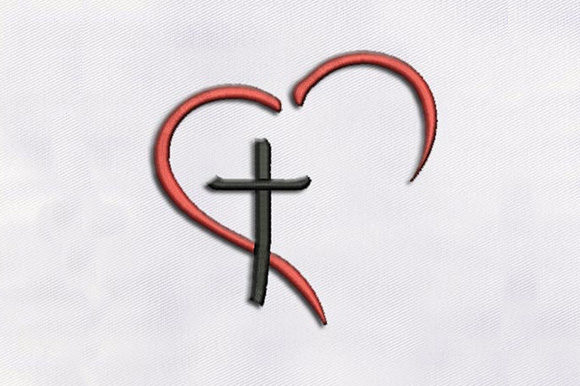
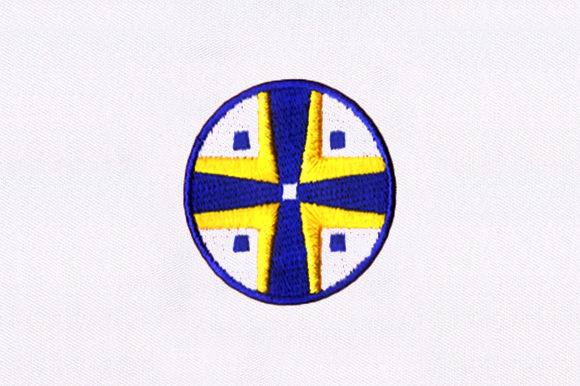
In terms of layout, the design likely relies on central alignment, making it ideal for chest placements on hoodies or centered back prints on oversized tees. The "Religion" category tag suggests it may incorporate symbolic elements—perhaps abstract crosses, mandalas, or sacred geometry—which are currently resonating strongly with consumers looking for meaningful handmade products. However, without seeing the specific vector art, we must assume the design avoids overly cluttered details that might get lost in the texture of heavy knitwear.
Fabric Compatibility and Aesthetic Application
Sweatshirt embroidery presents unique challenges compared to flat cotton t-shirts. The pile of the fabric, the thickness of the material, and the stretch of the jersey all affect how a machine embroidery design sits on the garment. Here is how Symmetrical Shape could perform across different scenarios:
- Neutral and Earth Tones: On beige, oatmeal, or sage green sweatshirts, Symmetrical Shape would shine with metallic or cream-colored threads. This combination evokes a rustic, cozy vibe perfect for autumn collections. The symmetry provides a grounding element that complements natural color palettes.
- Dark Fabrics: If placed on black or navy hoodies, the design needs high-contrast thread colors to remain visible. White, silver, or bright pastel threads would pop against the dark background, giving the finished product a streetwear edge. This is particularly effective for Etsy sellers targeting younger demographics who appreciate bold, statement pieces.
- Pastel Colors: On soft pink, lavender, or baby blue fabrics, the design could take on a more delicate, feminine character. Using lighter thread shades creates a subtle, tonal effect that feels luxurious and understated. This approach works well for gift-oriented merchandise and baby apparel.
- Oversized Hoodies: The relaxed fit of oversized garments allows for larger placement options. Symmetrical Shape could be scaled up for a dramatic back print, serving as a focal point that enhances the silhouette of the hoodie.
Technical Considerations for Commercial Use
For any small shop product intended for resale, technical execution is paramount. A design that looks good on screen but fails in production can damage brand reputation. Here are the critical factors I considered when evaluating Symmetrical Shape:
Thread Color Contrast and Stitch Density
The success of any embroidery design often hinges on thread selection. Because Symmetrical Shape relies on balanced proportions, uneven stitching density could disrupt its visual harmony. Designers should ensure that the fill stitches are dense enough to cover the underlying fabric completely, especially when working with textured materials like fleece or heavy cotton blends. Low-density areas might show puckering or allow the fabric weave to peek through, diminishing the premium feel of the custom apparel.
Stabilizer Choice and Hoop Placement
Sweatshirts require robust stabilization to prevent shifting during the embroidery process. A cut-away stabilizer is generally recommended for knit fabrics to maintain flexibility and durability after washing. When positioning Symmetrical Shape, precise hoop placement is essential to ensure the design remains centered and straight. Misalignment can ruin the symmetrical intent of the artwork, so taking time to mark placement points before hooping is crucial.
Readability at Small Sizes
If you plan to use Symmetrical Shape for sleeve accents or smaller chest logos, consider its readability. Complex symmetrical patterns can become muddy when reduced in scale. It is advisable to test the design at your desired final size to ensure that individual elements remain distinct. If the design proves too intricate for small formats, it may be better suited for larger placements on backs or full-front chest areas.
Washing Durability
Commercial apparel must withstand repeated laundering. The choice of thread type (polyester vs. rayon) and proper backing techniques will influence longevity. Polyester threads offer superior colorfastness and strength, making them a safer bet for everyday wear items like sweatshirts. Always advise end-users to wash garments inside out on gentle cycles to preserve the integrity of the digital embroidery file’s output.
Brand Value and Market Positioning
Integrating Symmetrical Shape into your product line can significantly enhance brand identity. Symmetry is psychologically associated with trustworthiness and stability. By using a design that embodies these qualities, you subtly communicate reliability to your customers. For creative entrepreneurs, this means building a brand that feels both artisanal and professional.
Furthermore, the versatility of Symmetrical Shape allows for diverse marketing angles. You can create printable mockup previews showcasing the design on various sweatshirt styles, helping potential buyers visualize the finished product in their own wardrobes. High-quality images of the embroidery detail—highlighting the stitch texture and thread sheen—can drive engagement and increase conversion rates on platforms like Etsy or Shopify.
Final Verdict and Next Steps
Symmetrical Shape appears to be a strong candidate for boutique sweatshirt collections, offering a blend of aesthetic balance and thematic depth. Its compatibility with a wide range of fabric colors and styles makes it a valuable asset for apparel decorators looking to expand their offerings. However, before committing to mass production, it is imperative to verify the specific technical specifications provided by the file creator.
Please note that while the product description lists extensive format support—including 10O, ART, CND, DSB, DST, DSZ, EXP, HUS, JEF, PCS, PEC, TAP, VIP, VP3, and XXX—you must confirm the exact hoop size, stitch count, and licensing terms directly from the source. These details dictate whether the design fits your equipment and meets your commercial usage rights. Additionally, conducting a physical sample run on your target fabric is non-negotiable. This step ensures that the thread colors interact correctly with the material and that the stitch density achieves the desired premium finish.
By carefully evaluating Symmetrical Shape through the lens of practical application and brand strategy, you can transform a simple digital asset into a standout piece of commercial embroidery. Whether used for a limited-edition drop or a staple seasonal collection, this design has the potential to elevate your handmade product line and resonate deeply with your audience.