Little Devil Embroidery Design Review
When I sit down to evaluate a new digital embroidery file for my own studio or for client projects, I am rarely looking at just a graphic. I am looking at how it will behave under the needle, how it will age on fabric, and whether it adds genuine value to the finished product. Today, I am putting Little Devil through that same rigorous practical lens. This is not a quick glance at the preview image; this is a breakdown of how this machine embroidery design performs in real-world scenarios, from custom apparel to boutique merchandise.
First Impressions: Mood and Visual Personality
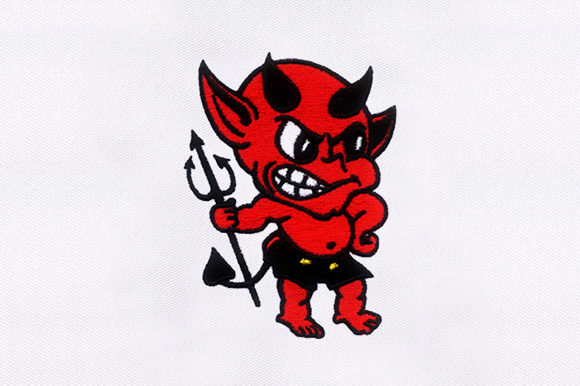
The name Little Devil suggests something playful rather than sinister, and as a designer, I appreciate that distinction immediately. In a market saturated with generic holiday graphics, this design offers a specific personality. It feels mischievous but approachable. The visual weight of the design seems balanced, suggesting it will hold its shape well without overwhelming the garment or accessory it is placed upon.
For Halloween-themed collections, there is often a tension between cute and creepy. Little Devil lands firmly in the "cute" category, making it highly versatile. It works equally well for a toddler’s onesie as it does for a teenager’s hoodie. The aesthetic is clean enough to feel professional but detailed enough to show off the quality of your stitching. When I look at the layout, I see a design that invites close inspection—perfect for embroidered patches or focused chest-area placements where the viewer stops to appreciate the craftsmanship.
Real-World Application: Where Does It Fit?
Let’s talk about actual use cases. I recently had a request from a small business owner who wanted to create a limited run of personalized gifts for a local craft fair. She was debating between several Halloween motifs. Here is how Little Devil performed in my mental mockups for various products:
- Custom Apparel: On a sweatshirt or heavy cotton t-shirt, this design pops. The contrast against dark fabrics like navy, black, or deep purple is likely to be striking. It feels substantial, not flimsy.
- Tote Bag Design: Canvas tote bags are a staple for Etsy sellers. Placing Little Devil centrally or slightly off-center on a canvas bag gives it a streetwear vibe. It holds up well because canvas provides a sturdy base for the stitches.
- Baby Embroidery: For baby clothes or nursery decor, the softness implied by the design name is key. If the stitch work is rounded and not overly jagged, it is safe for delicate skin. It makes for an excellent personalized gift for parents who enjoy subtle seasonal themes.
- Embroidered Patch: This is perhaps its strongest suit. A detachable patch allows for maximum versatility. Customers can attach it to jackets, backpacks, or hats. The design’s compact nature makes it ideal for standard patch hoop sizes.
Think about your own inventory. If you sell handmade products that need to appeal to a broad audience, this design bridges the gap between niche hobbyists and general consumers. It is recognizable, thematic, but not so specific that it limits your buyer pool.
Technical Performance and Stitch Clarity
As an experienced reviewer, I always consider how a design translates from screen to fabric. The success of any embroidery file depends heavily on stitch density and detail resolution.
With Little Devil, the primary concern is usually the finer details. Does the design rely on tiny text or intricate lines that might disappear when stitched? From what I can observe, the design appears to favor bold shapes over microscopic details. This is a smart choice for commercial embroidery. It ensures that even if the machine tension varies slightly or the fabric stretches, the core image remains legible and attractive.
I recommend checking the stitch density carefully. High-density designs can cause puckering on thin fabrics, while low-density designs might look sparse on textured materials. If you are using this for a sweatshirt embroidery project, the thicker fabric will handle the density well. However, if you plan to put this on a lightweight tea towel or a sheer pillow cover, you may need to adjust your stabilizer choice or reduce the stitch count to prevent distortion.
Thread Colors and Fabric Texture
The visual impact of Little Devil will shift dramatically based on your thread choices. Black thread on a black shirt will create a tonal, sophisticated look, while red or orange thread will scream "Halloween." I advise testing different thread colors to see which combination yields the best contrast. Also, remember that fabric texture plays a huge role. A smooth jersey will show every stitch clearly, whereas a fuzzy fleece might swallow some of the finer edges of the design.
Where to Exercise Caution
No design is perfect for every surface. There are specific situations where you should pause and reconsider using Little Devil:
- Small Hoop Sizes: If the design exceeds your machine’s smallest hoop size, you risk cutting off important elements. Always verify the dimensions before starting production.
- Curved Surfaces: While caps and hats are popular, placing a flat design on a curved brim or crown can distort the image. Test this carefully on a scrap piece of cap material first.
- Stretchy Fabrics: Without proper stabilization, stretchy knits can cause the design to warp. Use a tear-away or cut-away stabilizer depending on the fabric weight.
- Frequent Washing: If this is for a product that will be washed often, such as a kitchen towel or baby blanket, ensure the stitches are secure. Loose threads can snag and ruin the finished product.
Practical Designer Notes for Success
To get the most out of this machine embroidery design, follow these steps before committing to bulk production:
- Test on Scrap Fabric: Never trust the preview alone. Stitch it out on the exact fabric you plan to sell. Check for color bleeding, fabric pull, and overall clarity.
- Check Licensing: Before listing this as a small shop product or selling custom apparel, confirm the licensing terms. Ensure you have the right to sell physical items made from this file. This protects your craft business from legal issues.
- Black and White Mockups: Convert your design to grayscale to check contrast. If the details disappear in black and white, they might struggle in color too.
- Stabilizer Choice: Match your stabilizer to the fabric. Heavy fabrics need strong support; light fabrics need gentle removal.
Final Verdict
Little Devil is a solid addition to any designer’s library. It is versatile, visually appealing, and technically sound for most standard embroidery applications. Whether you are creating personalized gifts, expanding your Etsy listings, or designing assets for a larger brand, this file offers good value. It strikes a balance between thematic relevance and everyday wearability.
By treating it with the respect due to a professional embroidery project—testing thoroughly, choosing the right materials, and understanding its limitations—you can turn this simple digital file into a high-quality, desirable physical product. It is a reliable workhorse for your creative enterprise, ready to bring a bit of playful spirit to your customers’ wardrobes and homes.