Dream House Embroidery Design Review
As an embroidery designer who has spent years turning digital files into tangible, heartfelt keepsakes, I am always on the lookout for designs that strike that perfect balance between decorative charm and practical stitchability. When I first pulled up the Dream House design on Creative Fabrica, I knew immediately that this was going to be a staple in my library for personalized gift orders. It is not just another house icon; it carries a warmth and narrative quality that resonates deeply with customers looking for something meaningful.
This review explores how Dream House performs as a machine embroidery design, its versatility across various handmade products, and the practical considerations every crafter should keep in mind before stitching. Whether you are an Etsy seller, a small shop owner, or a maker creating one-of-a-kind gifts for friends, understanding the nuances of this file will help you deliver higher-quality finished products.
First Impressions: Emotional Appeal and Visual Style
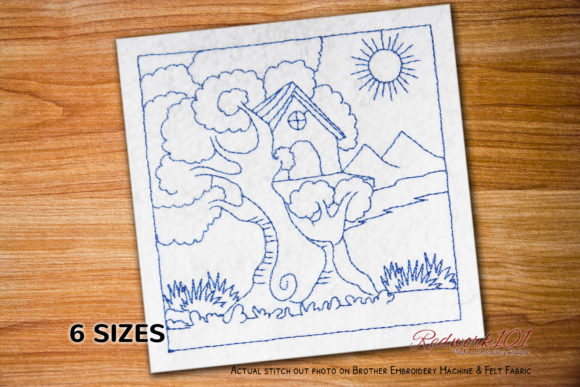
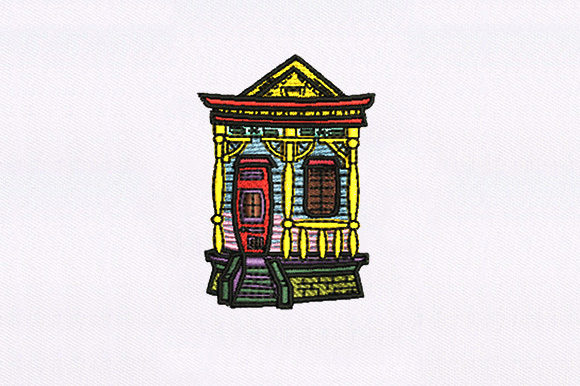
The Dream House design immediately exudes a sense of cozy elegance. Visually, it feels sweet yet sophisticated, avoiding the overly childish aesthetic that can limit its marketability. The lines appear clean, suggesting a design that is both playful and romantic. For a personalized gift, this emotional appeal is crucial. A customer buying a nursery item or a wedding towel wants to feel an instant connection to the imagery.
In terms of detail level, the design offers enough intricacy to look expensive and well-crafted without being so dense that it becomes difficult to execute flawlessly. It fits perfectly into the category of embroidery file formats that bridge the gap between modern minimalism and classic home decor. It feels timeless, making it suitable for seasonal gifting, from baby showers to holiday stockings, without feeling dated.
Versatility in Handmade Products
One of the strongest selling points of Dream House is its adaptability. In my experience, the most profitable handmade product ideas are those that can be applied across multiple categories. Here is how this design shines in real-world applications:
- Baby Embroidery and Nursery Decor: This is perhaps the most obvious fit. Stitched onto a soft muslin blanket or a crib sheet, the Dream House design creates an instant focal point for a nursery. The gentle aesthetic works beautifully for baby embroidery projects where safety and softness are paramount.
- Wedding Gifts and Keepsakes: Imagine this design embroidered on high-quality linen towels for a newlywed couple. It serves as a charming wedding gift that doubles as functional home decor. It also works wonderfully on pillow covers for the master bedroom, adding a touch of "home" to their new life together.
- Personalized Home Decor: Beyond textiles, this design translates well to aprons for the kitchen or tote bags for grocery runs. It adds a layer of personality to everyday items, making them perfect for custom embroidery clients who want unique accessories.
- Etsy Listings and Craft Fairs: For the Etsy seller, this design offers excellent variety. You can create bundles, such as a matching set of a washcloth and hand towel, or offer personalization options like adding names or dates within the design space. It is ideal for small shop product lines that need consistent visual branding.
Practical Embroidery Considerations
While the visual appeal is strong, a professional designer knows that execution is everything. Before rushing into production, there are several technical aspects of Dream House that require careful attention.
Stitch Density and Detail Resolution
Always create a test stitch-out before committing to your final fabric. Pay close attention to the stitch density in the smaller elements of the house structure. If the stitches are too tight, the fabric may pucker, especially on delicate materials like thin cottons used for baby clothes. Conversely, if the details are too fine, they might get lost in the texture of thicker fabrics.
Check the small lettering or intricate roof lines after stitching. Sometimes, what looks good on screen can merge together during the digitizing process. If you notice any bridging issues, consider adjusting the thread tension or using a different needle size.
Fabric and Stabilizer Selection
The choice of fabric drastically affects the final look. On textured towels, the design may sit differently than on smooth jersey knit. For blanket embroidery on thick fleece or minky, you will likely need a cut-away stabilizer to provide adequate support and prevent distortion during washing. For stretchy baby clothes, a tear-away or water-soluble stabilizer might be more appropriate, depending on the garment's structure.
Thread color contrast is another critical factor. Ensure your chosen threads stand out against the base fabric. Dark fabrics often require a underlay stitch or a specific backing to prevent the top thread from sinking into the material. Always test on similar fabric to confirm how the thread colors interact with the weave.
Hoop Size and Machine Compatibility
Before starting any project, confirm the hoop size required by the design file. While Dream House is versatile, fitting it into a specific hoop dimension ensures that you do not run out of stitching area. The design is available in a wide range of Embroidery File Formats including PES, DST, JEF, HUS, VP3, VIP, PEC, XXX, TAP, PCS, EXP, DSZ, DSB, CND, ART, and 10O. This extensive compatibility means you can use it on almost any modern embroidery machine, but always double-check your machine’s manual for specific format support.
Building Customer Trust and Perceived Quality
In the world of handmade goods, perceived quality drives sales. A well-executed Dream House design signals professionalism. When a buyer receives a product with clean stitches, no loose threads, and precise alignment, their trust in your brand increases. This is particularly important for commercial embroidery businesses where repeat customers are essential.
The emotional value of the design also plays a role in buyer engagement. Customers are more likely to share photos of their purchases on social media if the design is visually striking and personally relevant. Providing high-quality printable mockups of the Dream House on various products can help potential buyers visualize the final result, increasing conversion rates for your online store.
Final Thoughts for the Maker
The Dream House design is a robust, emotionally resonant addition to any embroidery collection. Its ability to transition seamlessly from a baby’s first blanket to a couple’s wedding towel makes it a high-value asset for creators. However, success lies in the details: testing your stitch-outs, choosing the right stabilizers, and respecting the licensing terms provided on Creative Fabrica.
Remember to review the product details and licensing on Creative Fabrica before selling finished products. By approaching each order with care and attention to technical best practices, you can turn this simple design into a cherished heirloom that reflects the true value of handmade craftsmanship.