Wedding Dress Embroidery Review
As an embroidery designer who spends hours testing files before they ever hit my shop, I approach every new design with a mix of excitement and skepticism. Today, I am reviewing the Wedding Dress machine embroidery design. The description promises exquisite details stitched in beautiful satin stitch, leaving a unique result. But does it deliver on that promise for real-world applications? I put this design through its paces to see how it performs as a centerpiece for personalized gifts, keeping in mind the needs of Etsy sellers, craft fair vendors, and small business owners.
First Impressions: Mood and Aesthetic Appeal
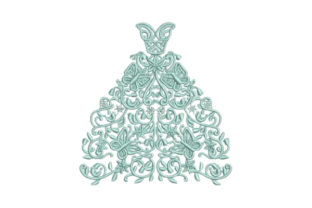
The moment you load the file into your digitizing software, the Wedding Dress design strikes me as elegant yet accessible. It is not overly ornate or cluttered; instead, it relies on clean lines and smooth satin stitches to create a sophisticated silhouette. For a product category labeled "Wife" or focused on wedding themes, this design hits the right emotional notes. It feels romantic, classic, and timeless.
The charm lies in its simplicity. Unlike some complex designs that require hours of stitching and frequent thread changes, this piece focuses on the beauty of the dress shape itself. The satin stitch work gives it a luxurious sheen, which catches the light beautifully in product photography. This is crucial for online sellers. When a customer sees a high-contrast, glossy finish on a digital mockup, they perceive higher value. The design feels handmade and thoughtful, which is exactly what buyers are looking for when purchasing a personalized gift.
Product Applications and Giftability
One of the strongest selling points of the Wedding Dress design is its versatility across various product types. It is not limited to just one item. Here is how I envision this embroidery file performing in different scenarios:
- Wedding Keepsakes: This is the most obvious application. Imagine this design embroidered on a white pillow cover for the bride’s getting-ready photos, or on a custom tote bag for bridal party members. The satin stitch detail stands out beautifully against crisp cotton or linen fabrics.
- Baby Embroidery: While designed for weddings, the delicate nature of the dress makes it suitable for baby showers. A soft blanket embroidery featuring this design can serve as a future heirloom. It bridges the gap between the mother’s special day and the child’s arrival, creating a narrative of continuity.
- Kitchen and Home Decor: An embroidered towel featuring this design could make for a charming housewarming gift for a newlywed couple. Alternatively, a kitchen apron allows the wearer to display their pride in their new role. The design is compact enough to fit neatly on an apron pocket without overwhelming the garment.
- Nursery Decor: For those looking to expand into nursery items, this design can be adapted for wall hangings or crib bedding. The classic aesthetic fits well within neutral or pastel color palettes often preferred by modern parents.
From a marketing perspective, this design boosts perceived value. Customers are willing to pay more for items that feel deeply personal and emotionally resonant. By offering a custom embroidery service using this file, you are not just selling a product; you are selling a memory. This emotional connection drives buyer engagement and encourages repeat purchases from customers who trust your handmade quality.
Ideal Customer Profile
This design appeals primarily to individuals seeking meaningful tokens of affection. Think of the friend buying a last-minute but heartfelt gift for her sister. Consider the husband wanting to surprise his wife on their anniversary. Or the grandmother preparing a welcome gift for a newborn grandchild. The Wedding Dress design speaks to these audiences because it symbolizes love, commitment, and new beginnings.
Technical Performance and Fabric Considerations
While the visual appeal is strong, practical execution is where many designers struggle. The description highlights the use of satin stitch, which requires specific attention to fabric choice and stabilizer selection. Satin stitches are dense and smooth, meaning they do not forgive poor technique or incompatible materials.
When planning your production run, consider the following technical constraints:
- Fabric Texture: Avoid highly textured fabrics like heavy chenille or thick terry cloth for the initial test. The satin stitch needs a relatively flat surface to lay smoothly. If you are embroidering on an embroidered towel, ensure the pile is trimmed or the design is placed on a flat border area.
- Stretchy Fabrics: Be cautious when using this design on stretchy baby clothes or jersey knits. Satin stitches can pucker if the underlying fabric stretches during stitching. Always use a cut-away stabilizer to provide permanent support.
- Thread Color Contrast: The design will look best on light fabrics such as white, cream, or pastels. Dark fabrics may require a backing layer to prevent show-through, which can add bulk. Test your thread colors carefully to ensure the details remain visible.
Where to Use Caution
No design is perfect for every scenario. There are specific situations where the Wedding Dress design might not perform as intended:
- Small Lettering: If the design includes any text, check the legibility. Satin stitches can blur small fonts. If you plan to add names or dates, ensure the font size is large enough to maintain clarity after stitching.
- Delicate Details: While the overall shape is clear, very fine internal details might get lost if the hoop size is too small or if the stitch density is too high. Review the design at 100% scale before committing to a final product.
- Curved Surfaces: Embroidering on curved items like hats or sleeves requires specialized hoops. The flat nature of the dress design may distort if forced onto a highly curved surface without proper padding.
- Dark Fabric: As mentioned, dark backgrounds can absorb the light, making the satin stitch appear dull. If you must use dark fabric, consider using metallic threads or adding a contrasting underlay to enhance visibility.
Practical Embroidery Notes for Sellers
To ensure your finished products meet professional standards, follow these best practices:
- Test on Scrap Fabric: Never run a full production order without a test stitch. Check for puckering, thread breaks, and alignment issues.
- Confirm Hoop Size: Verify that the design fits comfortably within your standard hoop sizes. If the design is larger than your hoop, you may need to rehoop, which can be time-consuming and risky for beginners.
- Review Stitch Density: High density can lead to stiff, uncomfortable garments. Ensure the stitch count is appropriate for the end-use. For example, a blanket should remain soft, while a decorative pillow cover can be stiffer.
- Use Proper Stabilizer: Match your stabilizer to your fabric weight. Heavy-duty cut-away stabilizers are recommended for woven fabrics, while tear-away might suffice for temporary projects.
- Check Commercial Licensing: Before selling finished products, confirm the commercial licensing terms of the digital embroidery file. Some licenses allow unlimited sales, while others restrict the number of units or require additional fees.
Final Thoughts
The Wedding Dress embroidery design is a versatile and emotionally resonant addition to any designer’s library. Its elegant satin stitch work and classic silhouette make it suitable for a wide range of personalized gifts, from wedding favors to baby keepsakes. However, success depends on careful execution. By choosing the right fabrics, stabilizers, and thread colors, you can create high-quality handmade products that delight customers and build trust in your brand.
For Etsy sellers and small shop owners, this design offers a great opportunity to tap into the wedding and baby markets. It is simple enough to produce efficiently but detailed enough to feel luxurious. Just remember to test thoroughly, respect the technical limitations, and always prioritize the customer experience. With the right approach, the Wedding Dress design can become a staple in your collection, driving sales and enhancing your reputation for quality craftsmanship.