Tree Pattern Embroidery Review for Craft Fair Success
As an experienced embroidery designer, I know that the right design can elevate a craft fair booth from average to unforgettable. When evaluating Tree Pattern, I consider not only its visual appeal but also how it translates into practical, high-selling handmade products. This review is tailored for Etsy sellers, boutique makers, and creative entrepreneurs who are preparing their displays for upcoming events or digital marketplaces.
First Impressions: A Natural Visual Anchor
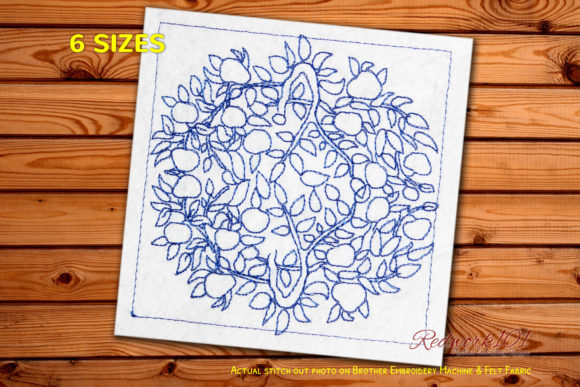
Tree Pattern immediately stands out as a versatile and timeless machine embroidery design. Its structure feels both decorative and grounded, making it ideal for those who want to convey a sense of nature without being too literal. The absence of small lettering or overly complex details suggests a clean, bold aesthetic that aligns well with farmhouse, rustic, and modern themes — all popular at craft fairs and handmade markets.
The optional box stitch element adds a subtle framing touch, which could either enhance or distract depending on the product. However, since the outer box color is usually different (unless it's part of the design), this gives flexibility in customizing the look to match your brand or fabric choices.
Performance on Popular Craft Fair Products
- Tote Bags: Tree Pattern shines here. Whether stitched in muted earth tones or vibrant colors, the design becomes a focal point without overwhelming the bag’s functionality. It looks especially premium when paired with linen or canvas tote bases.
- Aprons: The pattern’s natural feel complements kitchen aprons beautifully. As a central motif, it brings warmth and charm, perfect for weekend bakers or gardeners. Be mindful of stitch density near seams to avoid puckering.
- Tea Towels: The simplicity and clarity of Tree Pattern make it excellent for embroidered tea towels. Customers love these for their visual appeal and usefulness. Make sure to test thread contrast against the fabric to ensure visibility under bright lights.
- Caps: For curved surfaces like baseball caps, the placement of the design is key. Tree Pattern works best as a centered, smaller accent rather than a sprawling graphic. Use a hoop size that fits the cap’s curvature to maintain even stitching.
- Patches: This pattern is highly adaptable for embroidered patches. It can be framed with the optional box stitch or left open for a more organic look. Patches with Tree Pattern are great for adding character to denim jackets, backpacks, or DIY projects.
- Fabric Pouches & Pillow Covers: These are fantastic options for showcasing Tree Pattern. On a soft, textured pouch, the design adds a subtle yet impactful detail. For pillow covers, the tree motif can be scaled up to create a stronger visual statement.
- Market Bags: Similar to tote bags, Tree Pattern can transform a basic woven bag into a unique, eye-catching item. Consider using contrasting thread colors to highlight the trunk and leaves for a pop of interest.
- Handmade Gifts: The pattern’s universal theme makes it a safe yet stylish choice for gifting items like ornaments, coasters, or holiday cards. It’s particularly strong during fall and winter seasons when nature-inspired motifs resonate more.
- Booth Samples: Displaying Tree Pattern on a few sample products helps customers quickly grasp the design’s potential. Choose a mix of fabrics and placements to show versatility and craftsmanship.
- Printable Mockups: Since the pattern lacks intricate lettering, it photographs exceptionally well in mockups. High-quality images of Tree Pattern on tote bags or tea towels can boost your Etsy listing conversions significantly.
- Etsy Listings: Customers browsing online will appreciate the clarity and elegance of this design. Ensure your listings showcase the pattern in multiple applications and lighting conditions to highlight its adaptability.
- Commercial Embroidery: If you're selling Tree Pattern as a digital embroidery file, its minimal complexity and optionality (like the box stitch) allow for easy customization by buyers. Always confirm commercial licensing before offering it as a design asset for resale.
What Makes Tree Pattern Sell?
At craft fairs, visual impact is everything. Tree Pattern offers just that — it’s noticeable, memorable, and universally appealing. Whether displayed on a large market bag or as a small embellishment on a fabric pouch, the design retains its charm and sophistication.
From a production standpoint, the pattern is repeatable and manageable for batch work. The lack of tiny details means less chance of misregistration or missed stitches, which is crucial when working with multiple pieces. This reliability makes it a solid candidate for small shop product lines aiming for consistent quality across items.
Visual Appeal and Brand Consistency
When designing for a booth, maintaining a cohesive visual identity is essential. Tree Pattern, with its clean lines and natural theme, easily integrates into a forest-themed collection. It can be used as a repeating motif across different product types, helping to build brand recognition among shoppers.
Its neutral base allows for easy coordination with other designs or patterns in your lineup. You can use it to anchor a display while introducing variations through fabric textures, thread shades, or placement styles.
Practical Tips for Production
- Test on Scrap Fabric: Before committing to a full batch, embroider Tree Pattern on a scrap piece that matches your final product’s fabric texture and thickness. This helps identify any issues with stitch density or tension.
- Check Thread Contrast: Especially important for dark fabrics. Light thread colors may not show up well, so experiment with different combinations to find the most striking version of the design.
- Review Spacing: If using the optional box stitch, ensure there's enough space between the tree and the frame. Too tight can make the design feel cramped; too loose might reduce its impact.
- Confirm Hoop Size: Depending on where you plan to place the design, choose a hoop size that accommodates the entire pattern and surrounding stabilizer. Larger hoop sizes offer better control for detailed areas.
- Inspect Stitch Density: Dense stitch areas may require additional stabilizer to prevent distortion. Pay attention to the trunk and leaf sections if they’re heavily filled.
- Use the Right Stabilizer: A tear-away or cut-away stabilizer will help keep the design flat and professional-looking, especially on thicker or stretchier materials.
- Create Real Mockups: Nothing replaces seeing the finished product in person. Create a couple of real-world examples to judge how the pattern looks and feels, and how it holds up after washing or wear.
- Compare Fabric Colors: Test the design on several fabric shades to determine which ones make it stand out the most. Neutral tones often work best, but don’t shy away from experimenting with pastels or muted jewel tones.
- Confirm Licensing: If you're planning to sell Tree Pattern as an embroidery file or incorporate it into commercial products, always verify the terms of use. Some designers require permission for resale or bulk production.
Design Notes for Maximum Engagement
Tree Pattern has the kind of quiet strength that draws people in. At a glance, it doesn’t shout, but it does whisper “quality” and “handmade.” This subtlety is powerful in today’s market, where customers are looking for meaningful, personal touches in their purchases.
On tote bags and aprons, it creates a sense of purpose — a nod to sustainability or home life. On tea towels and pillow covers, it adds warmth and a touch of the outdoors. In each case, the design elevates the product value simply by existing.
One thing I’ve noticed in my years of crafting is that designs that look good in person often fail online. That’s why I recommend photographing Tree Pattern in natural light and from multiple angles. Capture the depth of the stitches and the way the design interacts with the fabric. These images will tell a story your words can’t.
Final Thoughts for Creative Entrepreneurs
Tree Pattern is a reliable and attractive addition to any embroidery designer’s toolkit. It’s not flashy, but it is functional and visually engaging. It adapts well to various products and settings, from rustic farmhouse booths to modern boutiques. For Cricut users or those new to digital embroidery files, the pattern is forgiving and easy to modify, making it a great starting point for building confidence in design application.
As we prepare for our next craft fair, I’ll be considering how to integrate Tree Pattern into my collection. Whether it’s a standout on a tote bag or a supporting feature on a patch, it has the potential to catch eyes and spark conversations — two things every successful handmade seller needs.
Remember, no matter how beautiful the design, it’s the execution that matters. So take time to test, adjust, and refine. With Tree Pattern, the foundation is already strong. Now it’s up to you to bring it to life in a way that speaks directly to your audience.