Teddy Bear Line Art Review for Seasonal Collections
As an embroidery designer, I spend a significant portion of my time evaluating digital files not just for their aesthetic appeal, but for their commercial viability. When I first encountered the Teddy Bear Line Art design, I immediately began visualizing how it could fit into a cohesive seasonal product line. This isn't just about having a cute image; it is about understanding the emotional resonance of a design and its technical performance on various fabrics. In this review, I am breaking down why this machine embroidery design deserves a spot in your upcoming holiday inventory, from Etsy listings to craft fair displays.
First Impressions: Mood and Aesthetic Appeal
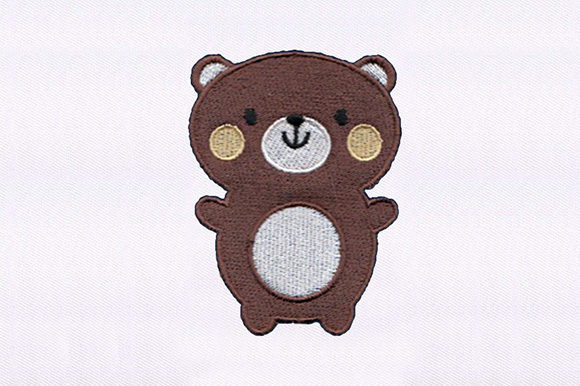
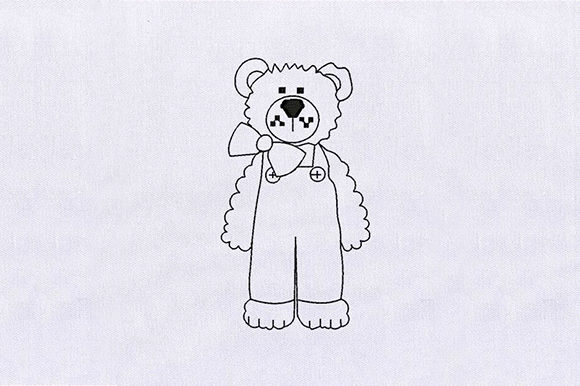
The primary strength of Teddy Bear Line Art lies in its simplicity and versatility. Unlike heavily shaded or complex realistic designs that can become muddy when stitched at smaller sizes, line art relies on clean contours and negative space. This gives the design a modern, minimalist feel that appeals to contemporary buyers who appreciate subtle elegance over loud graphics. The emotional tone is undeniably cozy and nostalgic. It evokes the warmth of childhood memories, making it perfect for creating a sense of comfort during the colder months.
For sellers, this translates to high visual recognition. On social media previews and product mockups, the clean lines stand out sharply against textured backgrounds. Whether you are aiming for a rustic, playful, or premium look, this design adapts well. It feels festive without being cliché, offering a sophisticated touch to traditional holiday themes. The "cute" factor is present but refined, ensuring it appeals to both children and adults looking for meaningful keepsakes.
Product Applications for Holiday Sellers
One of the most critical aspects of a successful embroidery file is its adaptability. Teddy Bear Line Art shines across a wide variety of products, allowing you to create diverse collections with a single digital asset. Here is how it performs in real-world selling scenarios:
- Apparel Decorators: This design is ideal for sweatshirt embroidery. The clean lines work beautifully on fleece and cotton blends, which are staples in winter wardrobes. It also looks charming on baby onesies and toddler tees, catering to the massive market for family matching items.
- Home Decor Enthusiasts: Consider using this design on kitchen towel embroidery projects. A simple teddy bear outline adds a whimsical touch to holiday baking season. It is equally effective on pillow cover designs, where the contrast between the thread and the fabric texture creates depth.
- Gift Accessories: For tote bag design opportunities, this art style offers excellent legibility even on canvas. It is also perfect for creating embroidered patch collections that can be sewn onto denim jackets or backpacks, appealing to the handmade gift market.
- Personalized Gifts: Because the design is relatively small and contained, it leaves ample room for personalization. Adding names or dates alongside the teddy bear motif increases the perceived value, making it a top choice for personalized gift seekers on platforms like Etsy.
Bundling and Marketing Strategy
When building a small shop product line, bundling is key. You can pair a sweatshirt featuring Teddy Bear Line Art with a matching kitchen towel or a set of ornaments. This cross-selling strategy encourages higher cart values. Furthermore, because the design is clean, it translates exceptionally well to printable mockup graphics. You can use these images in your online store to showcase the design in lifestyle settings, helping customers visualize the final product before they buy.
Technical Considerations and Best Practices
While the artistic vision is strong, a professional approach requires attention to technical details. Before adding this to your production queue, consider the following practical notes to ensure customer satisfaction and reduce returns.
Fabric and Thread Selection
The success of line art often depends on the contrast between the thread and the fabric. I strongly advise testing thread colors on both light and dark fabrics. Black or navy thread on white cotton will make the design pop, while gold or silver metallic threads on dark fabric can elevate the piece for a premium holiday look. However, be cautious with metallic threads, as they can cause tension issues if not managed properly.
Also, pay close attention to fabric texture. Smooth fabrics like microfiber or tightly woven cotton show line art crisply. Rougher textures, such as heavy Terry cloth towels, may obscure fine details unless you adjust the stitch length or use a higher quality thread.
Hoop Size and Stabilizer Usage
Always confirm the recommended hoop size for this specific file. While line art is generally forgiving, stitching it too small can result in lost definition. Ensure you are using the appropriate stabilizer for your fabric type. For stretchy garments like sweatshirts, a cut-away stabilizer is essential to prevent distortion during wear and washing. For home decor items like pillow covers, a tear-away stabilizer might suffice, depending on the fabric weight.
Quality Control Checks
Before listing any finished products, perform a rigorous quality check. Look for any skipped stitches or loose threads, particularly in the corners of the bear's ears and paws. If you plan to offer these as commercial embroidery products, ensure you have reviewed the licensing terms of the digital file. Even if the file allows for commercial use, some designers require attribution or have restrictions on the number of units sold.
Impact on Seasonal Appeal and Buyer Emotion
In the world of holiday retail, emotion drives sales. Teddy Bear Line Art taps into the universal desire for comfort and connection. During the stressful holiday season, a soft, embroidered teddy bear on a tote bag or apron signals warmth and care. This emotional connection builds customer trust and brand loyalty. Buyers are more likely to leave positive reviews and return to your shop if the product delivers on the promise of heartfelt gifting.
Moreover, the versatility of this design supports brand consistency. You can use the same teddy bear motif across different product categories, creating a recognizable visual identity for your shop. This consistency helps in engagement during peak shopping periods, as customers begin to associate your brand with quality, thoughtful design.
Final Verdict for Designers
The Teddy Bear Line Art design is a strategic addition to any seasonal collection. Its clean aesthetic, emotional appeal, and broad applicability make it a strong candidate for seasonal embroidery projects. By paying attention to technical details like stitch density, fabric choice, and stabilization, you can maximize its potential. Whether you are an experienced Etsy seller or a newcomer to the handmade market, this design offers a reliable foundation for creating beautiful, sellable products that resonate with holiday shoppers.
Remember to always test your samples thoroughly. Create realistic mockups, review small details after stitching, and plan matching color palettes that align with current trends. With careful execution, Teddy Bear Line Art can become a staple in your repertoire, driving sales and delighting customers throughout the holiday season.