Panther Outline Embroidery Review
When I am preparing for a new client project or updating my own shop’s inventory, I don’t just look at the preview image. I look at the structure. I look at how it will behave under the needle. That is why Panther Outline caught my attention. It falls into the Wild Animals category, but more importantly, it sits firmly in the realm of clean, graphic design that works well for modern branding and personalized gifts. As an experienced designer who reviews embroidery files daily, I want to share my honest take on how this machine embroidery design performs when moved from the screen to the hoop.
The First Impression: Graphic Clarity
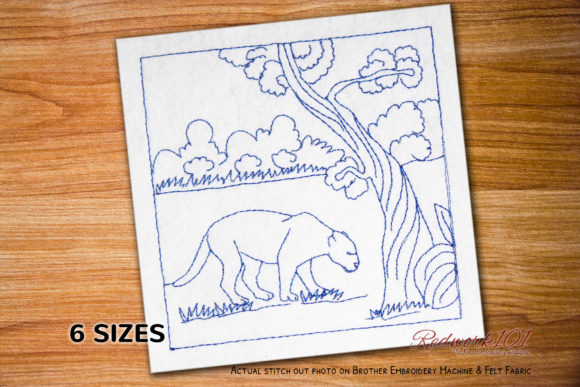
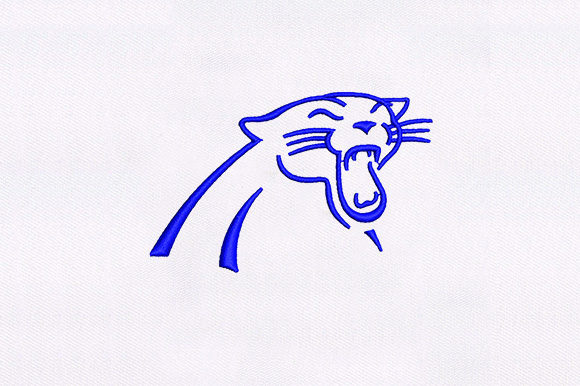
The moment you open the file, the visual personality of Panther Outline stands out. It is not cluttered. It does not try to be everything at once. Instead, it relies on strong lines and confident shapes. This is a design that understands negative space. For designers who are tired of designs that look muddy after stitching, this outline approach offers a refreshing alternative. It feels sleek, contemporary, and versatile enough to fit into a variety of aesthetic styles, from minimalist nursery decor to edgy streetwear apparel.
The mood it creates is one of quiet strength. The silhouette is recognizable immediately, which is crucial for customer engagement. When a buyer sees a finished product, they need to identify the subject instantly. This design delivers that clarity without relying on complex color gradients or excessive detail that might get lost in the fabric texture. It is bold, yet restrained—a balance that is hard to find in digital embroidery files.
Real-World Application: From Screen to Stitch
I recently tested this concept on a custom embroidered tote bag design project. The goal was to create a boutique product that felt high-end but remained affordable to produce. Using Panther Outline allowed me to keep the production time reasonable while maintaining a professional finish. Because the design is primarily an outline, it stitches up quickly compared to dense fill patterns. This efficiency matters for small business owners and Etsy sellers who need to turn around orders without sacrificing quality.
This design shines in several specific areas:
- Custom Apparel: On sweatshirts and t-shirts, the outline provides a striking contrast against heather grey or black fabrics. It looks intentional and stylish, perfect for custom apparel that needs to stand out in a crowded market.
- Baby Items: While often associated with bold graphics, this outline can work beautifully for baby embroidery if sized correctly. Imagine it on a muslin blanket or a simple cotton onesie. It adds a touch of sophistication that parents appreciate, moving away from overly cute clichés.
- Accessories: For cap embroidery or embroidered patch applications, the clean lines translate well. The lack of heavy filling means less bulk, which is essential for items like hats where comfort and fit are priorities.
- Home Decor: Pillow covers and kitchen towels benefit from this type of design. It acts as a focal point without overwhelming the textile. It pairs well with neutral backgrounds, making it a safe yet attractive choice for holiday embroidery or wedding gifts.
For digital product sellers, this is also a valuable asset. It serves as excellent design assets for printable mockups. You can easily visualize how it would look on different products before committing to physical samples, saving both time and money.
Where Caution Is Required
No design is perfect for every situation, and Panther Outline is no exception. There are specific scenarios where you need to exercise judgment. If you are working with textured fabrics, such as heavy tweed or boucle, the fine lines of the outline may disappear into the weave. In these cases, the design loses its impact.
Similarly, thin or stretchy fabrics require careful handling. Without proper stabilizer support, the tension of the thread can pucker the fabric, distorting the clean lines that make this design appealing. Curved surfaces, like the front panel of a baseball cap, can also challenge the placement of large outlines. If the curve is too pronounced, the straight edges of the panther may not sit flat, leading to a less professional finished product.
Another consideration is stitch density. While this is an outline design, ensuring the satin stitch width is appropriate for the scale of the project is vital. If the design is scaled down too much for a tiny detail on a keychain or a small decorative accent, the individual threads may merge, turning crisp lines into a blob. Always inspect small details by zooming in on your software before sending it to the machine.
Visual Appeal and Brand Value
From a branding perspective, Panther Outline enhances visual appeal through simplicity. In today’s market, buyers are drawn to designs that feel authentic and handmade. A clean outline suggests confidence in the craft. It tells the customer that the maker focused on form and function rather than hiding behind excessive decoration. This builds trust and reinforces brand consistency.
Furthermore, the versatility of the design affects its commercial viability. Because it is monochromatic in nature (depending on your thread choice), it allows for easy customization. You can swap thread colors to match seasonal trends or client preferences without changing the underlying structure. This flexibility is a huge advantage for craft business owners who need to adapt quickly to market demands.
Practical Designer Notes
To get the best results from this machine embroidery design, I recommend following a few practical steps:
- Test on Scrap Fabric: Never go straight to your final product. Test the design on scrap fabric that matches the weight and stretch of your intended material. This helps you dial in your tension settings.
- Check Thread Contrast: Ensure there is enough contrast between your thread and the fabric. An outline design relies heavily on visibility; low contrast will make the design disappear.
- Review Hoop Size: Confirm that your hoop size accommodates the design dimensions comfortably. Avoid placing the design so close to the edge of the hoop that it risks shifting during stitching.
- Inspect Small Details: Look closely at the corners and curves of the panther. Ensure they are sharp and not overly simplified by the digitizing process.
- Mockup in Black and White: Convert your design preview to black and white. This helps you see the true value and shape of the design without being distracted by color choices.
- Confirm Licensing: Before selling finished items or digital products, double-check the license terms. Some embroidery files have restrictions on commercial use, so protecting your small shop product requires due diligence.
Final Thoughts
Panther Outline is a solid addition to any embroidery file collection. It offers a blend of artistic flair and technical reliability that makes it suitable for a wide range of projects. Whether you are creating personalized gifts for friends or producing inventory for your online store, this design provides a dependable foundation. It respects the fabric, honors the craft, and delivers a result that customers will appreciate. For those looking to add a touch of wild elegance to their handmade products, this embroidery file is worth considering. Just remember to test thoroughly and choose your materials wisely to ensure the final product reflects the quality of the design itself.