Blue Crab Embroidery Review
As an embroidery designer who spends countless hours evaluating digital assets for boutique clients, I am always looking for that perfect intersection of whimsy and wearability. Recently, I had the opportunity to review a machine embroidery design titled "Blue Crab" with the intention of incorporating it into a premium sweatshirt collection for a small online shop. This review is not just about the file itself; it is about how this embroidery file translates from screen to fabric, specifically when applied to the textured world of knitwear.
First Impressions: Mood and Aesthetic
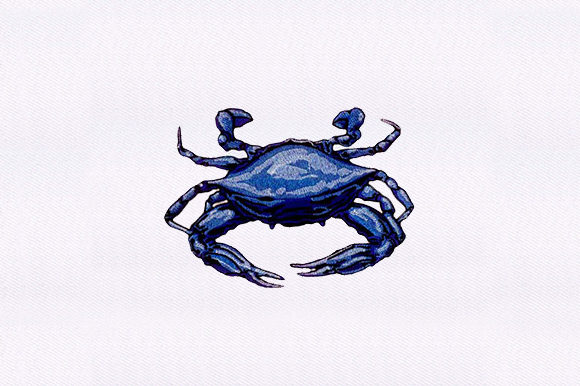
When you first load the Blue Crab design into your digitizing software, the immediate takeaway is its approachable charm. The description highlights it as an "adorable" piece, and in the context of custom apparel, that word carries significant weight. It does not scream aggression or heavy industrial grit; instead, it whispers coastal calm, playful energy, and handmade warmth. For a boutique brand aiming to create a cohesive seasonal drop, this mood is essential.
The layout appears balanced, suggesting a design that is neither too minimal nor overly cluttered. In my experience, designs labeled as "cute" often fail on heavier fabrics because they lack visual weight. However, the Blue Crab seems to possess enough detail to hold its own against the plush pile of a fleece hoodie. It strikes a balance between being decorative and serving as a focal point, making it ideal for lifestyle product photography where the garment needs to pop without overwhelming the model.
Application on Sweatshirts and Hoodies
Sweatshirt embroidery presents unique challenges compared to woven cottons or denim. The stretch, the nap, and the thickness of the material can distort delicate stitches. Here is how I envision the Blue Crab performing across different applications:
- Chest Placement: This is the classic spot for a hoodie design. The Blue Crab’s likely compact footprint makes it perfect for a left-chest logo placement. On a neutral oatmeal or heather grey sweatshirt, the design will stand out as a subtle yet distinct brand marker. It feels casual enough for everyday wear but polished enough to justify a higher price point.
- Oversized Fits: With the current trend toward oversized silhouettes, a smaller, well-defined crab design can look incredibly chic. It avoids the "clown suit" effect of large, sprawling graphics, offering instead a refined touch that complements the volume of the garment.
- Sleeve Accents: For a more avant-garde approach, placing a scaled-down version of the Blue Crab on the cuff or upper sleeve adds a layer of sophistication. It transforms a basic blank into a statement piece, appealing to fashion-forward Etsy sellers and small shop products looking to differentiate their inventory.
- Back Designs: If the design allows for scaling, a larger version on the back could serve as a major visual anchor. This works exceptionally well for cozy seasonal apparel, evoking feelings of comfort and nostalgia associated with autumn and winter months.
Color Theory and Fabric Contrast
One of the most critical aspects of commercial embroidery is thread color contrast. The Blue Crab, by virtue of its name, likely features shades of blue. When working with fabric texture like sweatshirt fleece, dark backgrounds (navy, black, charcoal) can sometimes swallow up lighter threads if the stitch density is insufficient. Conversely, light pastel colors might get lost in white or cream blanks.
I recommend testing the Blue Crab on both dark and light neutrals. On a deep navy sweatshirt, using a bright cyan or teal thread would create a striking, modern look suitable for a trendy urban brand. On a soft blush or sage green hoodie, the blue elements would provide a complementary cool tone, enhancing the "cozy" aesthetic. The key is ensuring the thread colors chosen have enough saturation to remain legible after washing.
Technical Considerations for Production
Before committing to a full production run, there are several practical concerns every designer must address. While the product description confirms this is a high-quality design, specific technical metrics are vital for success.
- Stitch Density: Sweatshirts require a robust stitch count to prevent the fabric from showing through. If the Blue Crab is too sparse, the loops of the knit fabric may poke through the embroidery, ruining the finish. Ensure the design has adequate underlay stitches to stabilize the area.
- Hoop Size and Stability: Verify the required hoop size. Large hoops can be difficult to manage on thick hoodies, potentially leading to shifting. A smaller hoop allows for better tension control, which is crucial for maintaining the integrity of the crab’s shape.
- Stabilizer Choice: Because sweatshirts are stretchy, a cut-away stabilizer is non-negotiable for long-term durability. Tear-away stabilizers may shred over time, causing the embroidery to pucker. The right stabilizer ensures the finished product remains flat and professional.
- Washing Durability: Commercial apparel must withstand frequent laundering. Check the design’s edge finishes. Clean satin stitches or properly filled areas will resist fraying and maintain their shape far better than loose running stitches.
Value and Brand Identity
Incorporating a well-executed design like Blue Crab directly impacts buyer trust. Customers associate high-quality embroidery with durability and care. A crisp, clean crab motif suggests that the brand pays attention to detail. This perception elevates the perceived value of the item, allowing for healthier profit margins. Furthermore, consistent use of such distinctive motifs helps build visual recognition. Over time, customers will begin to associate that specific style of crab with your boutique brand, fostering loyalty and repeat engagement.
Final Thoughts for Digital Sellers and Crafters
For digital embroidery file creators and resellers, the Blue Crab represents a versatile asset. Its adaptability across various garment types—from handmade product custom orders to mass-produced commercial embroidery runs—makes it a valuable addition to any library. Whether you are creating printable mockup previews for your Etsy listings or crafting physical samples for wholesale buyers, this design offers the flexibility needed to appeal to a broad audience.
However, always remember to verify the specific technical details before production. Confirm the exact stitch count, file format compatibility, and licensing terms. These details ensure that your workflow is smooth and your final output meets the highest standards of quality. By treating the Blue Crab not just as a graphic, but as a functional component of your apparel strategy, you can create collections that resonate deeply with customers seeking authenticity and style in their small shop products.